
The Queen — An Event Captured Across the British Web
On 8 September 2022, Queen Elizabeth II died.
For more than seventy years she had been a constant presence in British public life. Her death was an historic event — but it also produced something remarkable across the British internet.
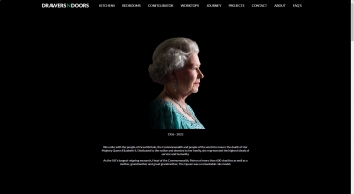
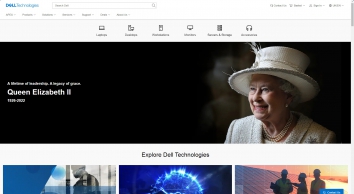
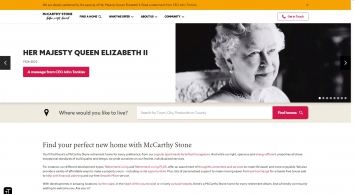
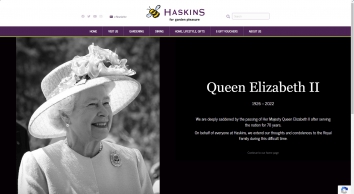
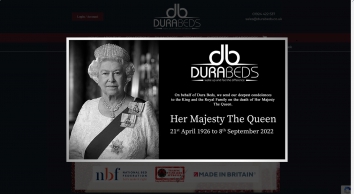
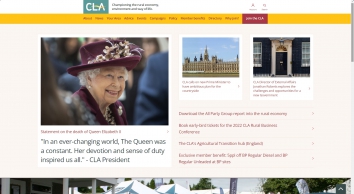
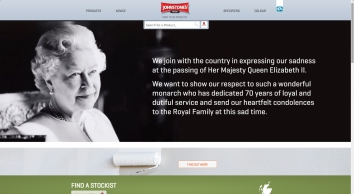

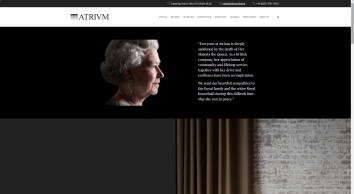
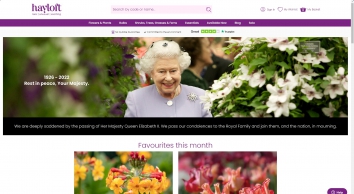
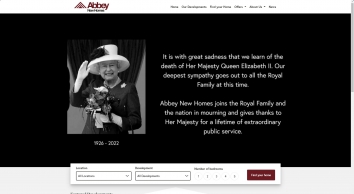
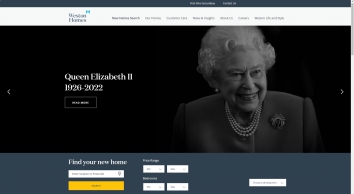
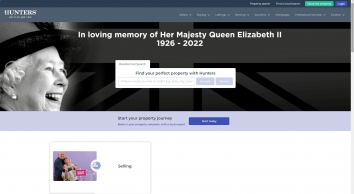
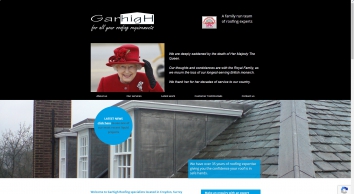
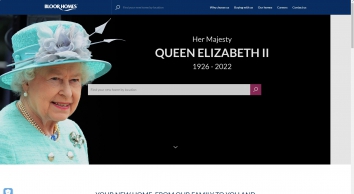
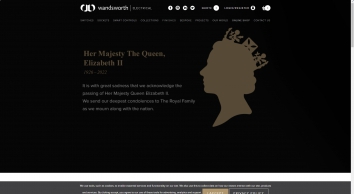
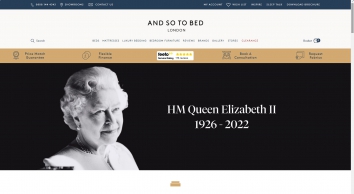
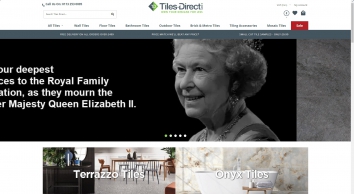

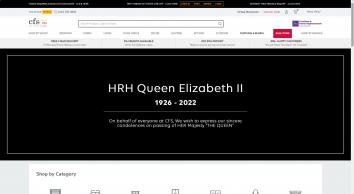
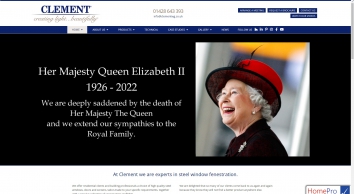
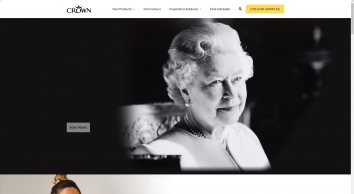
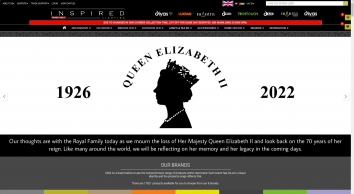

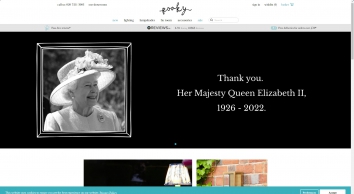


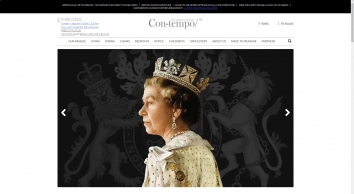
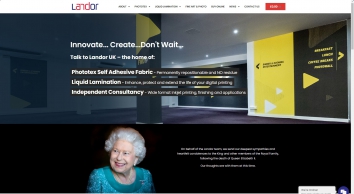

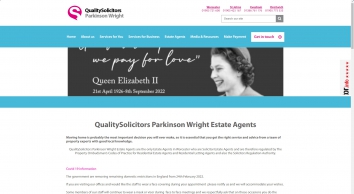
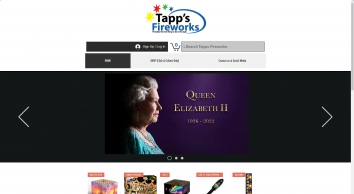
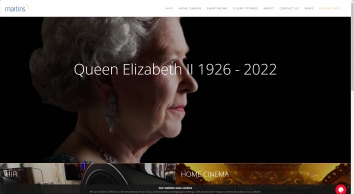
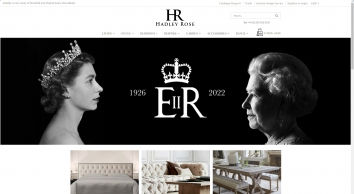
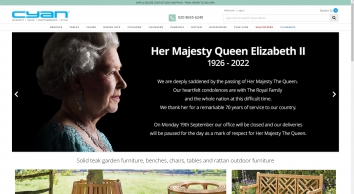
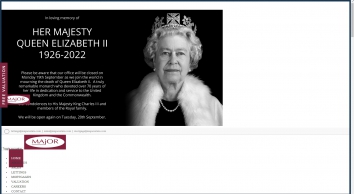
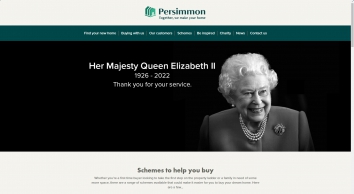
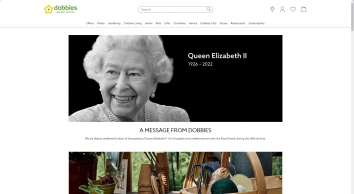
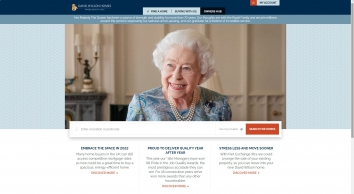
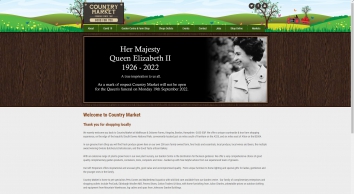

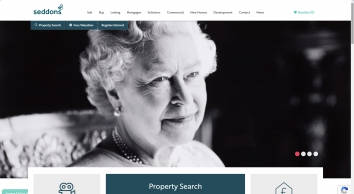
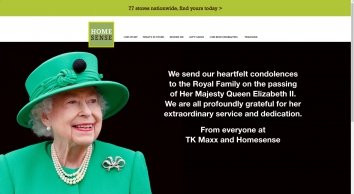

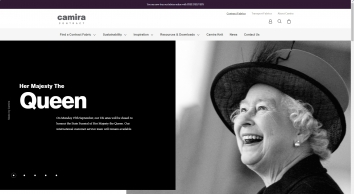
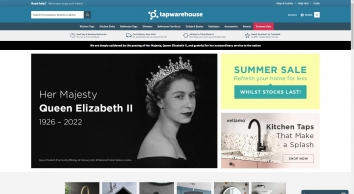
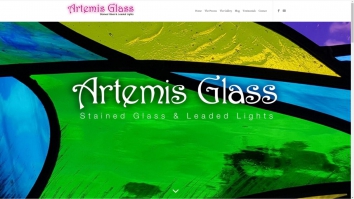


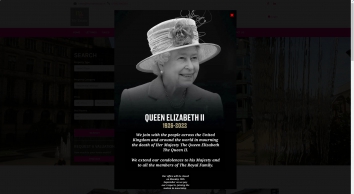

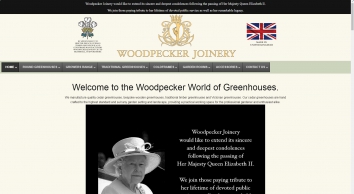
The web changed.
Within hours, and throughout the days that followed, websites belonging to companies, institutions, charities, schools, councils, estate agents, manufacturers, retailers and organisations of almost every description were altered.
Portraits of the Queen appeared where advertisements and company photographs had been only days before.
Logos were subdued. Banners were replaced. Messages of condolence appeared. Normal marketing was suspended.
Some websites consisted almost entirely of a single photograph and a few carefully chosen words.
For a brief period, thousands of completely unrelated British websites appeared to speak with one voice.
A moment in the history of the web
Websites are normally transient things.
A home page seen today may be redesigned tomorrow and forgotten a week later. A temporary announcement disappears. A photograph is replaced. A company changes its branding. Eventually even the organisation itself may disappear.
Unless somebody deliberately records these changes, there is often no trace that they ever existed.
That is where SiteAtlas is different.
For many years SiteAtlas has been taking regular visual snapshots of websites. It was never designed specifically to record historic events. It simply photographs the web as it finds it.
But occasionally the web itself becomes part of history.
September 2022 was one of those occasions.
Britain in mourning — website by website
This page presents a random selection of websites photographed by SiteAtlas during the period following the death of Queen Elizabeth II.
There is no carefully curated collection here.
That is rather the point.
These are ordinary websites drawn from the SiteAtlas archive. Different industries. Different organisations. Different designers. Different parts of the country.
Yet look through the screenshots and the same event appears again and again.
Some responses were elaborate. Others consisted of a simple black banner.
Some carried formal statements.
Some displayed photographs from the Queen’s long reign.
Some replaced virtually their entire home page.
Individually, each screenshot is merely a record of one website.
Together they become a portrait of Britain at a particular moment in time.
Click the archive
The images are not reproductions created for this article.
They are SiteAtlas archive photographs — a random selection of 52 from the hundreds that are tagged and archived for posterity.
Click an archive image to open the corresponding SiteAtlas record and explore the website and its visual history.
In many cases the commemorative page existed for only a few days before ordinary business resumed.
Without a visual archive, that version of the site would simply have vanished.
The web has a memory — if somebody keeps it
Newspapers preserve front pages. Broadcasters preserve television and radio. Libraries preserve books and documents.
But a vast amount of modern life now happens on websites, and websites are peculiarly easy to erase.
They are continuously overwritten by their own owners.
SiteAtlas quietly records another kind of history: the changing face of the web itself.
Most of those changes are small. A redesigned home page. A new product. A company rebrand. A business opening or closing.
But once in a while an event is so significant that its effect becomes visible across thousands of otherwise unrelated websites.
The death of Queen Elizabeth II was such an event.
For a few extraordinary days in September 2022, the British web changed its appearance.
SiteAtlas was there to photograph it.